
The email arrives on a random Tuesday. No exclamation points, no URGENT in the subject line. A student has an old course still sitting on their Canvas dashboard — a course they finished last semester, maybe three semesters ago — and they’d like it gone. The tone is somewhere between mildly puzzled and mildly annoyed. A pebble in the shoe. A two out of ten on the distress scale.
I’ve received some version of this email many times over nine years. Which means I’ve already diagnosed the problem and pinpointed the solution before I finish reading the first sentence.
The teacher of that course wanted their students to have access before the official term start date, so they changed a single setting — switching the course’s Participation field from Term to Course and specifying a custom start date. Reasonable. Common. The problem is they never set a custom end date. By default, academic courses conclude automatically when the term ends. Manually-modified courses don’t. They stay open indefinitely. They follow students around like a lost dog long after the last assignment was submitted.
The fix: a keyboard shortcut to locate the course, click into Settings, click the Participation field, switch it from Course back to Term, click Update Course Details. Under twenty seconds. And poof. The course vanishes from the student’s dashboard. It also vanishes from all classmates’ dashboards as well. The student reported a splinter. I quietly operated on the whole hand.
Now, I could go through proper channels...
I could forward the student’s email to the teacher of the course, explain the issue, outline the solution, and offer them the option of fixing it themselves or granting me permission to fix it on their behalf. I could wait for a response. The student could wait for a response. The teacher — who is almost certainly in the middle of a new term, with new students, new deadlines, new pressures — would receive a mildly confusing email about a course they haven’t thought about for a year, informing them that one of their former students is still seeing it, and could they please do something about it or at least reply saying I can. That could create a whole new help ticket of support for a confused faculty.
That chain of interactions — four, five emails, potentially spanning days — protects the institution’s documentation trail. It does not protect the relationship. It does not serve the student. It does not serve the teacher, who would rather not know they left a course running for potentially fourteen months.
So I make a different call. With their best interests in mind, I make the fix. I fire off a quick email thanking the student for the heads up. Done.
Please note: this isn’t recklessness dressed up as efficiency. After thousands of interactions with my clients, I carry a mental rolodex of who they are and how they work. Most of them are glad to have me handle things quietly on their behalf. But some of my clients are possessive about their courses — their content, their settings, their product. If one of those names shows up as the instructor of record on an unconcluded course, I call an audible. I slow down. I pick up the phone. I go through channels.
Professional judgment isn’t the same as skipping the paperwork. It’s knowing when the paperwork serves the people involved and when it only serves the institution.
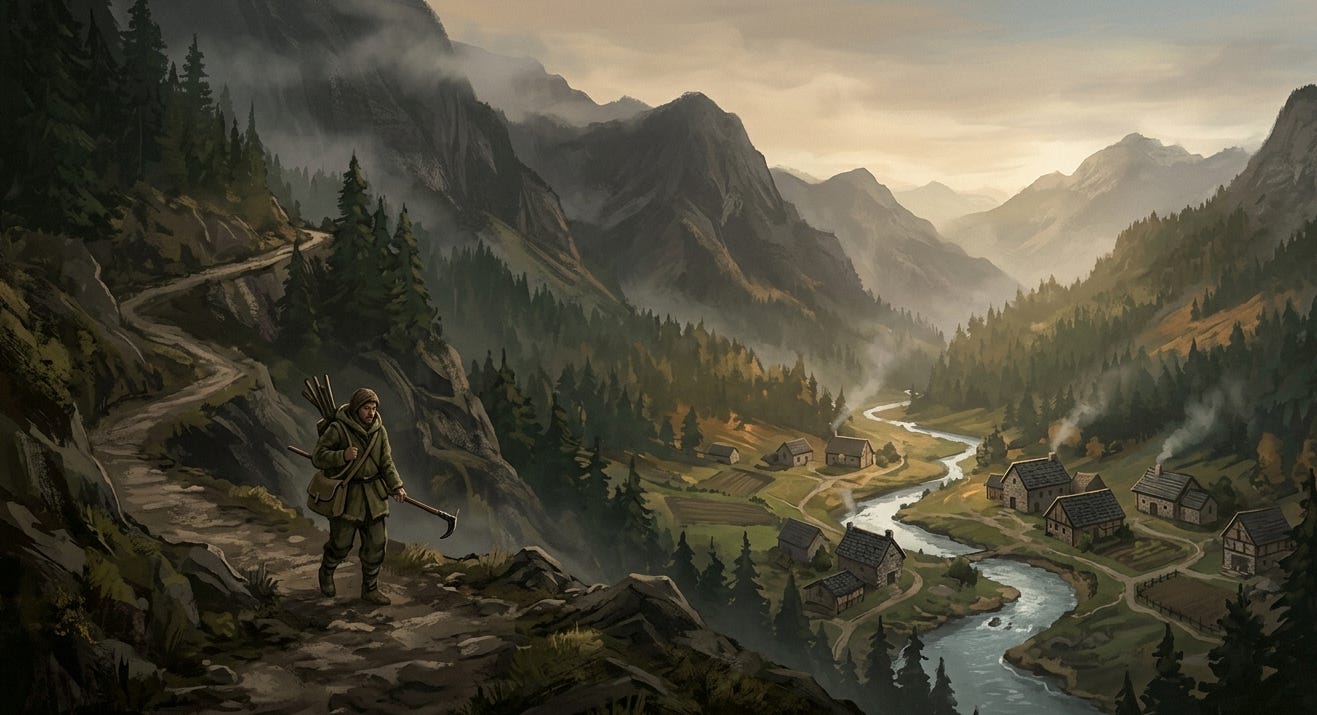
There’s an allegory I return to when I think about this work. John Ortberg writes about a small Alpine town built along a beautiful stream. High in the hills, invisible to everyone below, lives the Keeper of the Springs — an old man who travels from spring to spring, removing debris, clearing blockages, keeping the water clean. The town is healthy because of work nobody sees. When the town council decides he’s a luxury they can no longer afford, the water slowly goes brackish. The swans leave. People get sick. They rehire him. The stream runs clear again.
The life of the village, Ortberg writes, depends on the health of the stream.
I think about that old man on a random Tuesday when a student email arrives and I’m four clicks and twenty seconds away from resolving it. I think about the classmates who will simply open their dashboard like usual and find it clean, with no idea that anyone was ever working on their behalf.
No ticket filed. No support portal visited. No email sent to the teacher.
Just a clean dashboard, and a stream that runs clear.
Give thanks for the unseen work.